

Wooden Satellites? Who approved this and why?
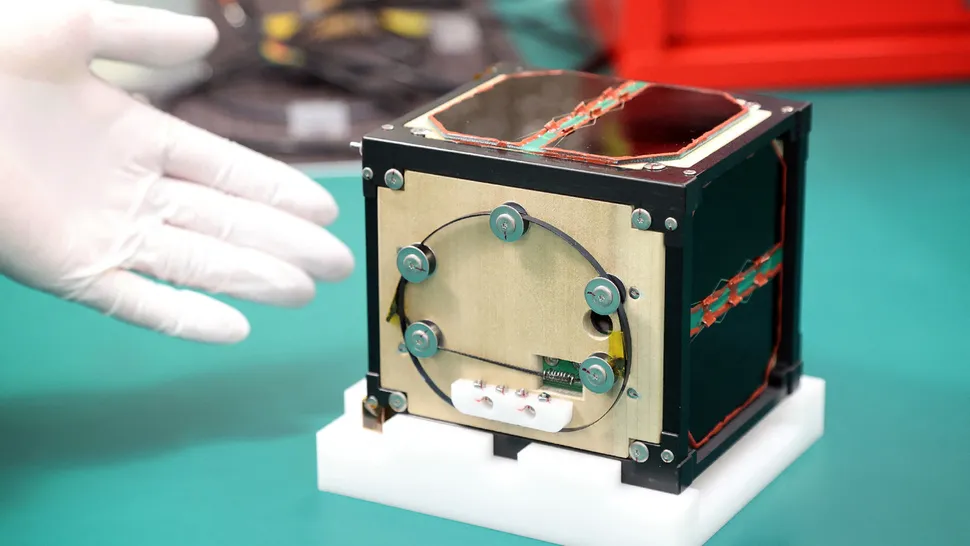
Japan’s LignoSat are the first wooden satellites ever used in outer space. They are a type of satellites called CubeSat’s which are tiny satellites, approximately 10 centimeters cubed, weighing less than a kilogram typically. Created and developed by Kyoto University, they were made to show the wood can be used for space exploration uses.
The satellite was launched to space in November 5th, 2024 by SpaceX’s Falcon 9 to the International Space Station.
What are the benefits?
Wooden satellites provide benefits mostly related to environmental factors. When a regular CubeSat burns up in the atmosphere after it has completed it’s mission, it leaves behind potentially climate changing metal dust. Since the LignoSats are made of wood, this could reduce the environmental impact they may have on the environment per each LignoSat.
LignoSats, weighing 900 grams, are also lighter compared to CubeSats which weigh close to 2000 grams. The reason being is that CubeSats rely on a sturdy aluminum alloy [1]. Though aluminum is a lot lighter than most metals, it still provides a significant weight impact on rockets going up. Through LignoSats, the cost to send a payload to space can become a lot cheaper.
What are the negatives?
There is a reason NASA purchased pens that cost $1 million dollars to create. The primary reason was that regular ballpoint pens would not work in zero gravity. Therefore the Fisher Pen Company developed a pressurized ink cartridge that would work in extreme temperatures and zero gravity. But this isn’t the whole story. Regular pencils also provided were a combustion risk in pressurized environments (Such as in a spacecraft with astronauts).
In the Apollo 1 mission, the cabin experienced a technical failure where voltage through a wire was exceeded. This caused a spark to occur in the %100 oxygen environment with flammable materials (such as Velcro) inside the cabin to ignite. This then unfortunately killed all three astronauts, marking the first deaths in the history of U.S. space travel.
Though LignoSats are meant to be used in an environment with zero atmosphere, with no risk of combustion, this does not eliminate the risk they can provide when in the spacecraft on the launchpad, or while flying to their destination.
Another risk they have is that wood when exposed to extreme environments, behaves very differently. When exposed to heat, it warps, and when exposed to the cold, it shrinks. Now, place it in an environment, where the temperature changes from -250°F to 250°F, every 90 minutes. This means that the wood is at risk of thermal strain, stress and eventual structural failure due to fatigue, causing the electronics to fail due to radiation or solar winds [2].
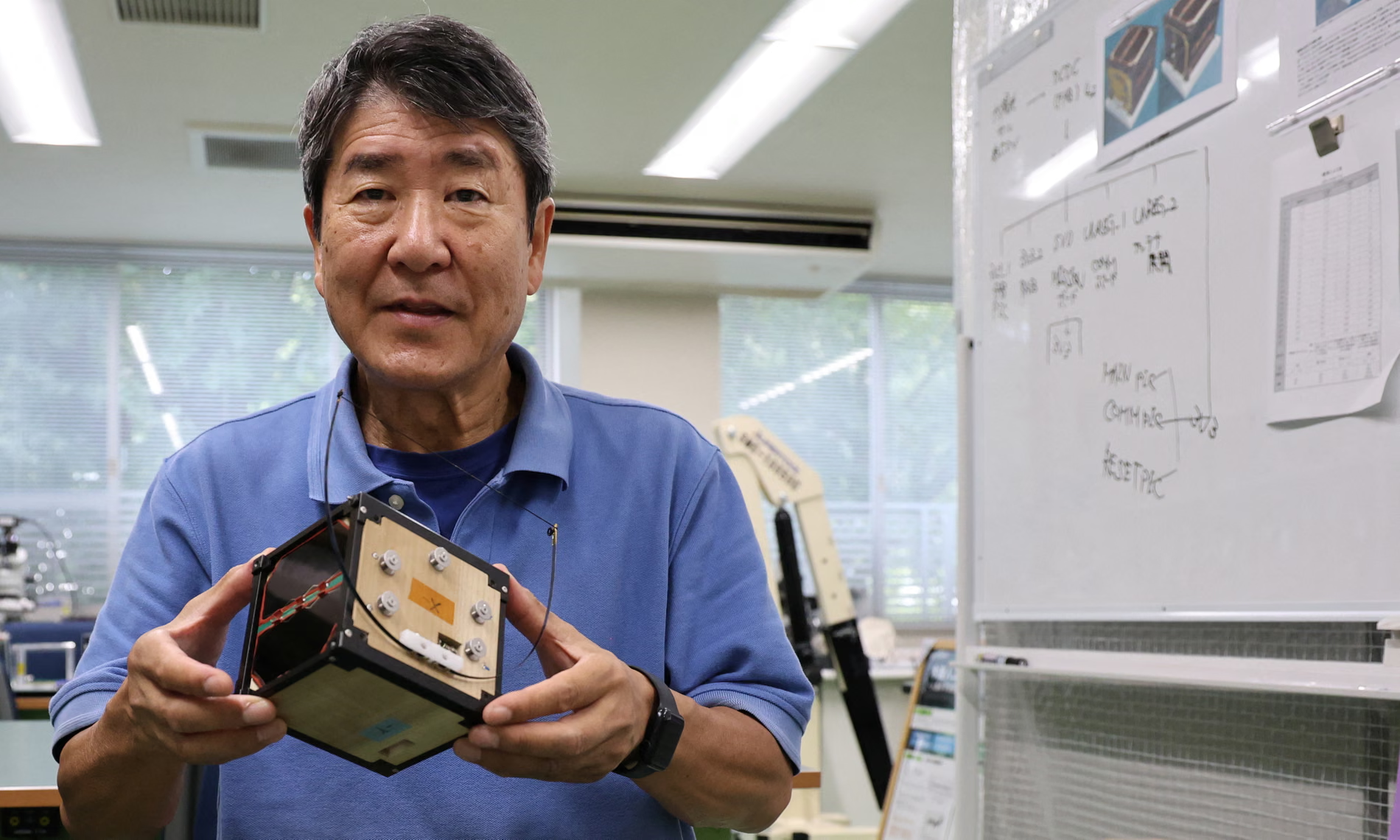
Takao Doi, an astronaut and professor at Kyoto University, holding an engineering model of LignoSat [3]
Conclusion
Overall, LignoSats provide a unique perspective on the future of satellites. Though they may cause issues during flight and while operating, they provide a much cleaner and cheaper perspective on satellite construction.
Interested in satellites? Read what happens if all satellites disappeared!
References
[1] Wikipedia Contributors, “LignoSat,” Wikipedia, Jul. 19, 2025.
[2] Tereza Pultarova, “World’s 1st wooden satellite deploys from ISS to demonstrate cleaner spacecraft tech (photo),” Space.com, Jan. 10, 2025. https://www.space.com/space-exploration/satellites/worlds-1st-wooden-satellite-deploys-from-iss-to-demonstrate-cleaner-spacecraft-tech
[3] Guardian staff reporter, “World’s first wooden satellite launched into space,” the Guardian, Nov. 05, 2024. https://www.theguardian.com/science/2024/nov/05/worlds-first-wooden-satellite-launched-into-space
No responses yet